Tom Holland’s book, “Dominion,” is a deep and gritty depiction of the Roman occupied world into which Jesus came. It was a world where pride, human achievement, and status were prized, and humility would have been viewed with disdain. In this world the Romans, in order to maintain a firm grip on any uprisings against them and the order they sought to maintain, would devise heinous and humiliating methods of torture and death. Criminals would often be crucified, lined up on crosses on the road entering the town, naked and exposed as they met the most degrading death humanly possible, an example to any who dared cross them.
It was into this cruel world that a New Way was introduced. The cross, an implement of torture and humiliation, would become a symbol of salvation, Christ’s death on it being the sacrifice, once and for all, for our sins.
This King of the Jews from Nazareth preached something entirely different – “love the Lord your God with all your heart, mind, soul and strength, and your neighbor as yourself.”
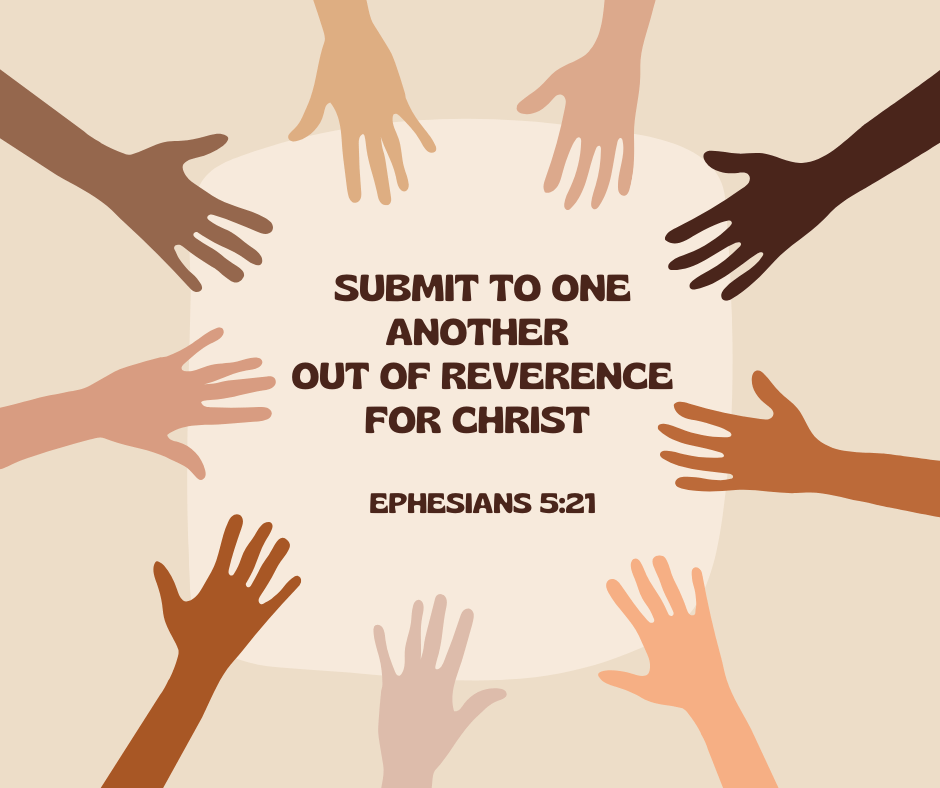
Imagine, if you will, those early disciples, through the direction of the Holy Spirit, instructing the Church in this New Way, where believers were encouraged to “submit to one another, out of reverence for Christ,” and consider others’ needs before their own (Eph. 5:21). The very opposite of the culture where pride of place was central. Paul’s letters, Luke’s account of the early church, Peter’s epistles, and James’s writings, all gave instruction to the Church in a New Way of thinking and living.
Paul encouraged, “Put on then, as God’s chosen ones, holy and beloved, compassionate hearts, kindness, humility, meekness, and patience, bearing with one another and, if one has a complaint against another, forgiving each other; as the Lord has forgiven you, so you also must forgive. And above all these put on love, which binds everything together in perfect harmony. And let the peace of Christ rule in your hearts, to which indeed you were called in one body. And be thankful” (Col 3:12-15).
In the way they lived and spoke, believers were encouraged in the way of love, kindness, humility, and grace.
Paul goes on, “Let your speech always be gracious, seasoned with salt” (Col 4:6).
The Apostle Peter writes, “Clothe yourselves, all of you, with humility toward one another, for ‘God opposes the proud but gives grace to the humble.’
Humble yourselves, therefore, under the mighty hand of God so that at the proper time he may exalt you, casting all your anxieties on him, because he cares for you” (1 Peter 5:5-6).
It would be Christians who saw every life as valuable, every life worth saving, including babies left on the outskirts of town to die. In time, the Roman culture would crumble and the New Way would flourish.
The Christian message spread and with it a respect and understanding of all human life as sacred, as made in the image of God.
They changed the world.
Now so should we.
“Go therefore and make disciples of all nations, baptizing them in the name of the Father, and of the Son, and of the Holy Spirit, teaching them to observe all that I have commanded you” (Matt. 28:19).
 Life By The Way